When booking event videography, most organisers face the same choice: highlight video vs full event recording. Both are useful, but they serve very different purposes. This guide explains the difference so you can choose — or combine — the right option for your event in Kota Kinabalu.
What Is a Highlight Video?
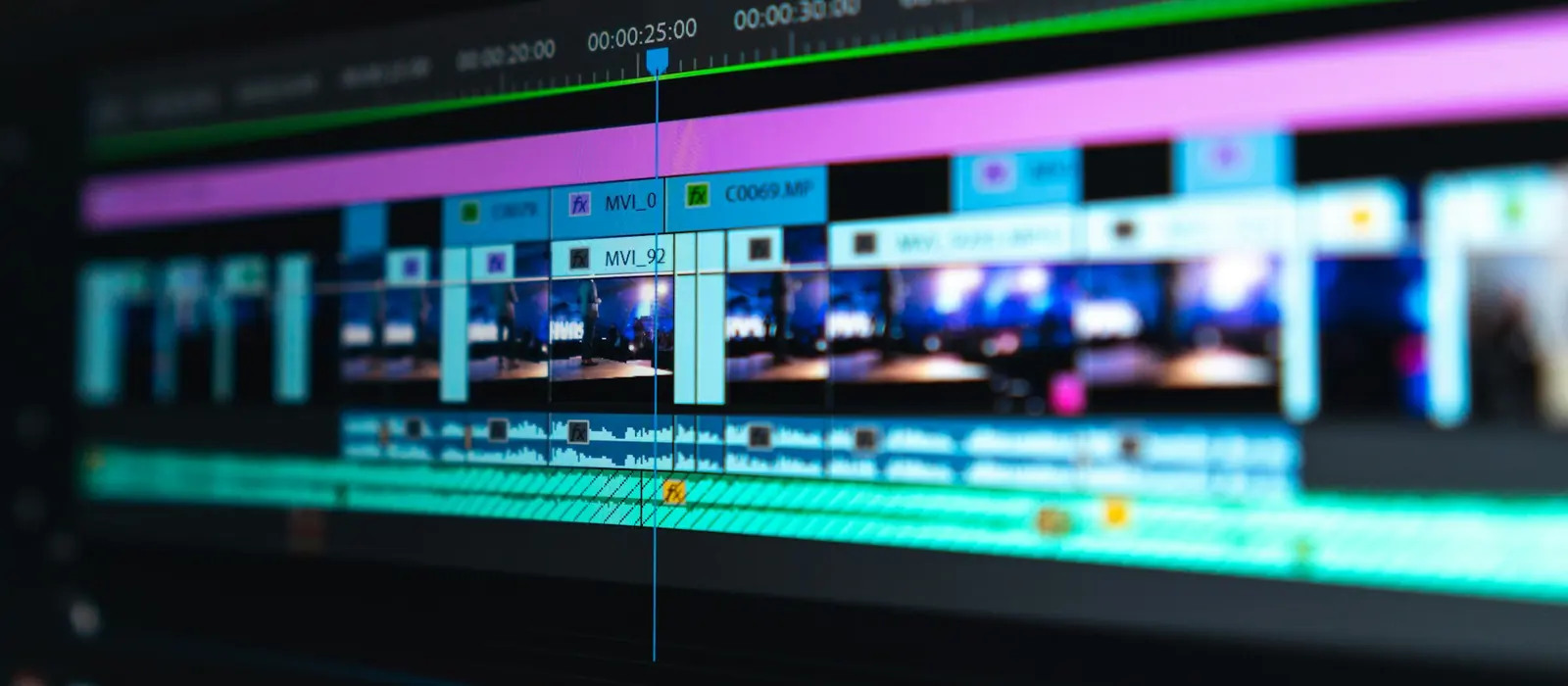
A highlight video is a short, edited recap of your event — key speaker moments, audience reactions, stage highlights and atmosphere, cut to music. Web highlight videos are commonly one to three minutes, and social media cuts are usually 15 to 60 seconds.
Its job is to show what it felt like to be there. It is ideal for social media, internal communications, sponsor reports and promoting your next event.
What Is a Full Event Recording?
A full event recording captures entire sessions, speeches or the whole programme from start to finish. It is lightly edited for clarity rather than cut for pace.
Its job is to preserve content: keynote talks, panel discussions and lectures that people who could not attend may want to watch in full, or that you need for archive, compliance or e-learning.
Side-by-Side Comparison
| Highlight video | Full event recording | |
|---|---|---|
| Purpose | Promote and recap | Preserve and share content |
| Typical length | 15 seconds – 3 minutes | Full session length |
| Audience | Social media, staff, sponsors | Attendees, members, learners |
| Editing | Creative edit with music | Clean edit, minimal cuts |
| Key requirement | Strong visuals and moments | Clear audio and stable angles |
| Main cost driver | Editing time | Cameras, audio and duration |
Choose a Highlight Video If…
- You want content for social media and your website
- The atmosphere matters more than every word said
- You want to promote next year's event or thank sponsors
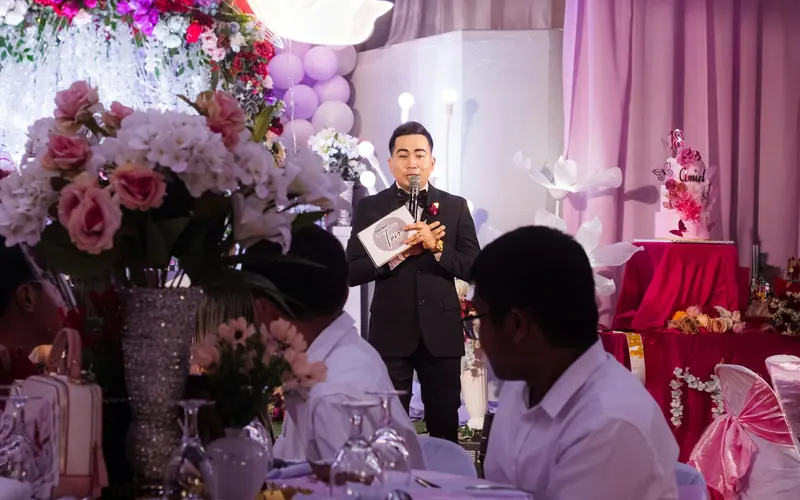
- Your event is a dinner, launch, celebration or festival
Learn more about our event highlight video service.
Choose a Full Event Recording If…
- Your sessions contain valuable content people will want to rewatch
- You need an archive for compliance, members or e-learning
- Speakers or sponsors expect their full presentation to be available
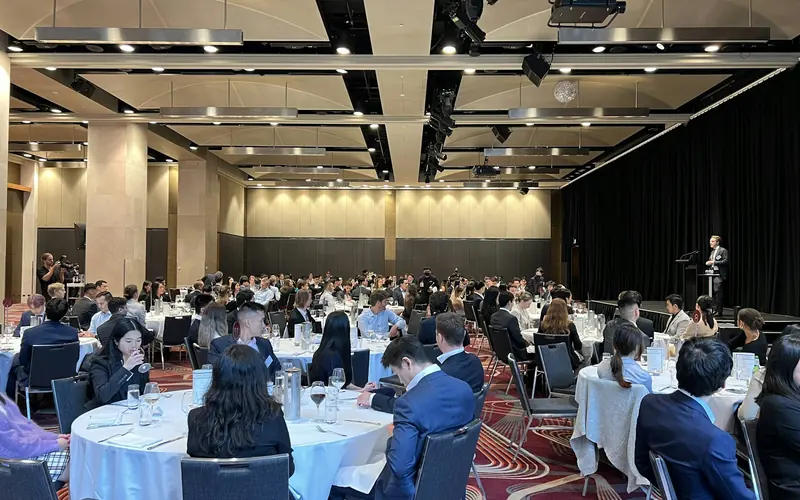
- Your event is a conference, seminar, lecture or AGM
For full recordings, clean sound is essential. Pair recording with professional event audio, and for panels or long sessions use multi-camera recording so viewers stay engaged.
Examples by Event Type
| Event | Usually the best choice |
|---|---|
| Annual dinner | Highlight video, plus clips of awards and performances |
| Product launch | Highlight video and social media clips |
| Conference | Full recordings of keynotes and panels, plus a highlight video |
| Seminar or workshop | Full recording if the content is reused for training |
| Public or inaugural lecture | Full recording with clean audio |
| Town hall | Full recording for staff who could not attend, plus a short recap |
| Community or CSR event | Highlight video for social media and reports |
How Each Option Changes the Way the Day Is Filmed
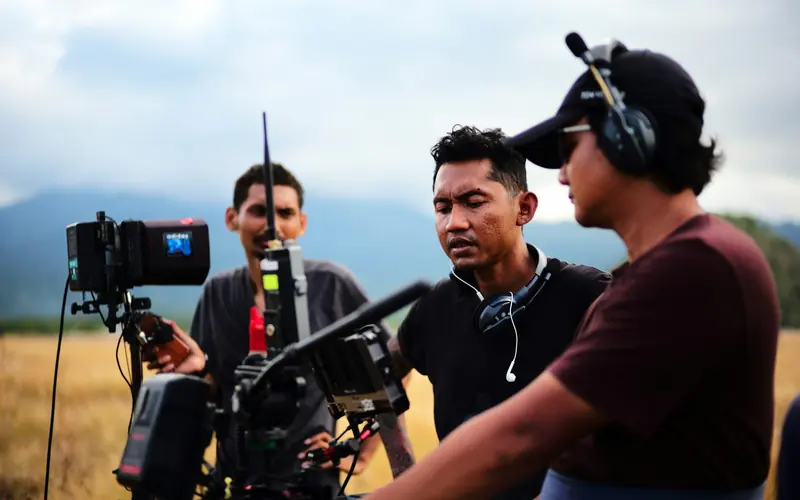
This is why it matters to decide before the event rather than after. For a highlight video, the videographer moves around the venue, collecting short, varied shots — details, reactions, arrivals, wide views — and only needs the best lines from each speech.
For a full recording, at least one camera must stay locked on the stage for the entire session, with a continuous audio feed. If you only decide afterwards that you want full recordings, the footage may simply not exist, because the camera was elsewhere capturing atmosphere.
When both are required, the usual approach is a fixed camera on the stage for the recording, plus a roaming camera for highlight footage — which is exactly what multi-camera recording provides.
Why Many Events Choose Both
For conferences and corporate programmes, the best value is often both: full recordings of the main sessions, plus a highlight video cut from the same footage. Because the footage is already filmed, the highlight video mainly adds editing time rather than extra shooting.
You can also add vertical clips for social media event content — speaker soundbites work particularly well on LinkedIn.
Audio Matters More Than You Think
For highlight videos, music carries much of the edit, so a few imperfect sound moments can be covered. Full recordings are different: viewers will forgive an average picture, but they will stop watching if they cannot hear the speaker. That is why full-session recording should always include a planned audio source — ideally a direct feed from the venue sound system plus a backup recorder.
How to Brief Your Videographer
Whichever option you choose, a short brief before the event makes a big difference to the result. Include:
- Which sessions must be recorded in full, and which only need highlights
- The final run-down with timings, speakers and room names
- Where the video will be published — YouTube, your website, LinkedIn, a members' portal
- Required formats, such as landscape for YouTube and vertical for Reels
- Branding: logo, event name, colours and sponsor mentions
- Any sessions that must not be recorded or published
- Your preferred delivery date
With this information, your videographer can plan cameras, audio and crew correctly — and give you an accurate quotation up front.
A Simple Way to Decide
Ask one question: “Will people want to watch this again for the content, or for the feeling?” Content means a full recording. Feeling means a highlight video. If the answer is both, book both — and tell your videographer before the event, because it changes how the day is filmed.
Frequently Asked Questions
Can a highlight video be made from a full event recording?
Yes. If the event is filmed for full recording, a highlight video can be edited from the same footage, although we also film extra atmosphere shots when a highlight is planned.
How long does a full event recording take to deliver?
Delivery timing is agreed in the quotation and depends on the number of sessions, cameras and the level of editing required.
Which option is cheaper?
It depends on the event. Highlight videos are driven by editing time, while full recordings are driven by duration, cameras and audio. Share your brief for an accurate comparison.